
by Adam James Pollock, The Critic
Social media stunts, however well intentioned, will not rescue our churches
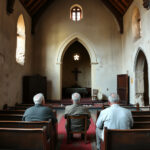
What do mosques and nightclubs have in common? This isn’t the opening to a bad joke. They are but two of many new uses that have been found for redundant churches which, for lack of funding or attendant congregations, have been forced to close their doors.
Across Britain, more than 3,500 churches have been closed down in the past decade due to the decreasing prevalence of Christianity in the country — a disheartening fact that no cries of a quiet revival can ameliorate. The simple truth is this: people are not attending church with the same frequency or devotion that they did in previous generations, while those who do choose to attend church appear to gravitate towards those with larger congregations, abandoning smaller, often rural churches.
What is to be done, then, to save these redundant places of worship, and prevent them from being turned into secular caricatures of their raison d’être?
In steps property developer Samuel Leeds, whose bold strategy to save these churches is to buy them himself and offer them “completely free of charge, zero rent, to a church that is prepared to worship Jesus here”.
I do not write to call Samuel Leeds’s own religious conviction into question, nor do I intend to accuse him of not having the right intentions at heart. But the intense media coverage surrounding one man’s aim of buying a church to let others use for free raises several issues.