
By Travis Hearne, TGC.
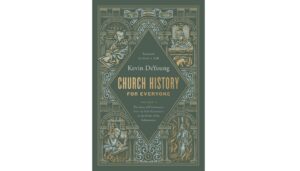
Review: ‘Church History for Everyone’ by Kevin DeYoung, Crossway, 416p.
Deep in the archives of my Facebook messages sits a note from a widow named Kathy. She thanked me for using church history in our weekly Bible studies. She loved learning about the early-church martyrs and the pilgrims. As a newly minted senior pastor pursuing a PhD in church history, this was the reassurance I needed.
Our message thread ended with Kathy describing her chemo treatments. Like Faithful in John Bunyan’s Pilgrim’s Progress (a story new to her that strengthened her fight with cancer), Kathy endured her trials and entered the Celestial City.
I usually have to defend the benefits of history to other pastors and friends of mine—but rarely with church members. I mostly encounter excitement when I direct Christians to our family history.
In Church History for Everyone: The Story of Christianity from the Fall of Jerusalem to the Dawn of the Reformation, Kevin DeYoung, pastor of Christ Covenant Church and associate professor of systematic theology at Reformed Theological Seminary (Charlotte), blends rich doctrine with a pastoral tone. It’s the first of two planned volumes. DeYoung writes, “I intend this book to be a popular history rather than professional history, which means I am writing to be understood by ordinary people who are eager to learn but are not experts” (3). He’s successful in that effort.
I wish Kathy could have read this book; it’s a church history for the church.
History for the Church
How is church history for the church actually for the church? Well, words on a page are costly. Just like a pastor needs to cut more of his preparation and study out of his sermons than he’d like, a church history book for everyday Christians needs to value the reader’s attention. This means accepting that not every believer has the bandwidth to process all the names and details from church history we might want him or her to.