
by Jamie Franklin, The Critic
Project Spire is legally, historically and morally dubious, says a Winchester clergyman bringing a legal challenge against it
I am a clergyman in charge of a growing Anglo-Catholic parish church in Winchester. I love my job, I love my parish, I love the Church of England.
When Christ tells us that we are to love our neighbours as ourselves, this does not mean telling our neighbours everything they want to hear or doing everything they would like done.
So it is with the Church Commissioners of the Church of England. Sometimes hard truths have to be faced, hard words have to be spoken and hard things have to be done. This is the unfortunate case with the Project Spire legal challenge.
The bare facts are these: the Church Commissioners are responsible for administering a fund of roughly £11.6 billion. They are planning to use £100 million of this money on an initiative called Project Spire. Project Spire essentially constitutes that £100 million being used for slavery reparations.
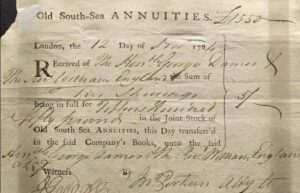
The Commissioners are not fond of the word “reparations” so they use the words “healing, justice and repair”. But the fact is that the justification that they are using for Project Spire concerns historical claims that the predecessor fund to the current fund, Queen Anne’s Bounty, was invested in shares in the South Sea Company which dealt in slaves and received money from individuals linked to the slave trade. The claim is that, since some of the money is derived from slavery, it should be paid to communities affected by historic enslavement. The intention is to invest this money in businesses and social projects in black communities.
I would characterise my objections to Project Spire by saying that I believe it to be legally, historically and morally dubious.